Pipe Leak Repair & Repiping in DeKalb, IL
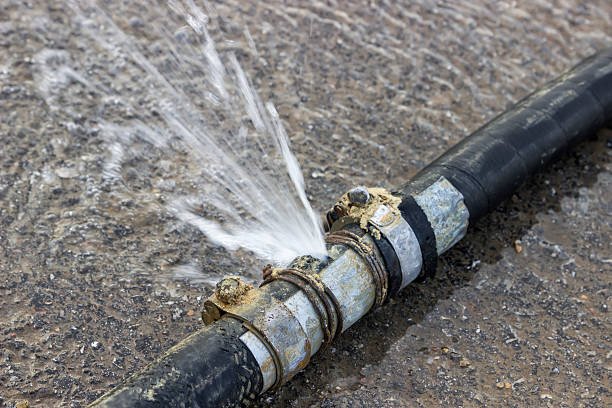
Once a leak is located, the useful question is not just how to patch it but why that pipe failed. A nick from a drywall screw is a one-off. A pinhole in copper that has thinned along a whole run is a preview. We repair with that distinction in mind, and we tell you which one you have.
Alpha Leak Fix Pros carries out repairs on every material found in DeKalb’s housing stock: galvanized steel in the pre-war homes, copper from the post-war and mid-century builds, CPVC and polybutylene from the 1970s and 80s, and PEX in everything built or remodeled in the last twenty-five years. Each fails in its own way and each needs a different approach.
On this page
Repair decisions by pipe material
Galvanized steel
Corrodes internally, closing the bore and eventually weeping at threads. Repairing one section usually reveals the next. Replacement is nearly always the honest recommendation.
Copper, single pinhole
If the run is otherwise sound and the cause was mechanical — a tight strap, a support point, a nicked line — a sectional repair is appropriate and durable.
Copper, multiple pinholes
Indicates general wall thinning or an aggressive local condition. A branch or whole-house repipe is the only repair that stops the pattern.
Polybutylene (grey plastic, 1978–1995)
Known failure history at fittings and along the pipe. Any polybutylene we find, we recommend replacing on principle rather than repairing.
CPVC
Gets brittle with age and UV exposure. Cracks are often at fittings or where a run was stressed. Sectional repair is viable; a brittle system is not.
PEX
Durable, but fails at crimp and expansion fittings that were improperly made, and splits where a run froze. Repair the fitting properly and it stays fixed.
Cast iron drain lines
Scale, cracking along the bottom of horizontal runs and failure at hub joints. Sectional replacement in PVC with proper couplings, or lining.
Mixed metal joints
Copper joined directly to galvanized without a dielectric fitting corrodes fast. We find these frequently and correct them as part of the repair.
How we do a repair
1
Confirm the locate before opening anything
Even on a job we located ourselves, we verify the mark before cutting. Ten seconds of confirmation saves an unnecessary patch.
1
Protect the work zone
Floor protection, plastic containment where dust will travel, and a clear path in and out. Your house should not look like a jobsite when we leave.
1
Isolate and drain, keeping service where possible
We isolate the smallest section that lets us work, so the rest of the house keeps water. On multi-unit properties near campus this matters — one unit’s repair should not shut down the building.
1
Make the repair to code
Illinois plumbing work is licensed work. Proper materials, proper transitions, dielectric unions between dissimilar metals, correct support spacing, accessible valves. No push-fit couplings buried in a wall cavity where they cannot be inspected.
1
Pressure test before closing anything
We bring the system back up and hold it, checking the repair and the adjacent joints we disturbed. Closing a wall on an untested repair is how a job comes back.
1
Patch, clean, and hand over the documentation
Drywall patched and ready for paint, concrete patched flush, photos of the repair before it went behind the wall, and a written description for your records and your insurer.
When repiping is the right call
Repiping is a bigger job and we do not push it. The honest triggers are these: a system where we have repaired two or more leaks in two years; galvanized supply lines anywhere in the house; polybutylene anywhere in the house; pressure that has dropped noticeably across the whole home from internal corrosion; discolored water that clears at the fixture but comes back; and any system where insurance has flagged the piping.
How a repipe is staged
We plan the new runs first, usually through accessible joist bays, closets and chases rather than through finished walls wherever possible. Work proceeds zone by zone — often bathrooms first, then kitchen and laundry — so the house keeps water each night. Openings are cut deliberately and kept small and in predictable places. Most single-family repipes in DeKalb take two to four working days depending on size and finish level.
PEX or copper?
Both are correct answers. PEX installs faster, costs less, resists freeze damage better because it can expand slightly, and has fewer joints when run home-run to a manifold. Type L copper is rigid, handles high temperatures, and some owners simply prefer it. In DeKalb’s freeze climate, PEX has a real practical advantage in exterior walls and unheated spaces. We will price both.
Repairs we do beyond the pipe itself
- Shutoff valve replacement. Old multi-turn stops that seize or weep, replaced with quarter-turn ball valves you can actually operate in an emergency.
- Hose bib and frost-free sillcock replacement. The most common spring leak in DeKalb, and a quick fix.
- Water heater connections. Failed flex connectors, corroded dielectric unions, leaking T&P discharge lines and drain pan installation.
- Fixture and valve rebuilds. Tub and shower valve cartridges, toilet fill and flush assemblies, kitchen faucet bodies.
- Pipe insulation and freeze protection. Insulating the lines that froze, sealing the air leaks that made them cold, and heat-trace where there is no better option.
- Pressure regulation. Where incoming pressure is high, a pressure reducing valve protects the whole system and every appliance on it.
- Whole-house shutoff upgrades. Including automatic leak-detection shutoff valves that close the main when they sense flow patterns typical of a leak.
Common questions
In most cases yes. Accessible interior repairs, valve and connector replacement, and fixture work are typically completed on the locate visit. Buried lines needing excavation, under-slab repairs and full repipes are scheduled, and we credit the detection fee toward the repair.
Repairs are quoted in writing once the leak is located and we can see what failed, because that is the only honest way to price them. An accessible sectional repair is the cheapest thing we do; under-slab and buried repairs cost more because of the access work; branch and whole-house repipes are priced after we walk the house. Detection is quoted separately, up front, on the call.
A clamp is a legitimate temporary measure to stop water until a proper repair happens — we use them ourselves that way. As a permanent fix on a pressurized line inside a wall, no. It will fail, usually while you are away, and the damage will cost many times the repair.
Generally yes for significant plumbing alterations. Illinois requires licensed plumbers for this work and the City of DeKalb's Community Development Department at 164 East Lincoln Highway handles permitting and inspection. We pull permits as part of the job and schedule the inspection.
PEX is widely used in Illinois residential construction and is installed throughout newer DeKalb subdivisions. Specific approvals and installation requirements come from the Illinois Plumbing Code and local amendments, and we install to those requirements.
Two to four working days for a typical single-family DeKalb home, plus drywall patching and painting afterward. We stage the work so you have water each evening.
Related leak services
A water meter that keeps ticking with every tap shut off means water is going somewhere. We find exactly where…
Water is running right now. Here is exactly what to do in the next five minutes, then call us.…
Under-slab leaks in DeKalb are usually under a basement floor, not under a house. Same physics, same tools, an…
Water on the floor by the heater is not automatically a dead tank. Four of the five likely sources are inexpen…
Think you have a leak? Call and we will find it today.
Same-day appointments across DeKalb and next-door response for active flooding. No digging or demolition until we know exactly where the leak is.
Leak line, answered 24 hours
(815) 849-0091Alpha Leak Fix Pros
1600 E Lincoln Hwy Ste D, DeKalb, IL 60115
One call does it. We work out what is likely wrong on the phone, quote before we come out, and book you in on the same call.